|
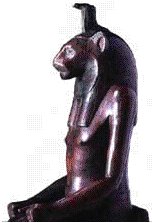
SHESMU (Shezmu, Shesemu, Shezmou, Shesmou, Sezmu, Sesmu, Schesmu, Schezemu)  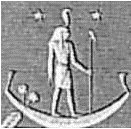
|
To return to the Denderah Decan 5 - Grand Temple Decan 16 (male figure with a hawk head and a Uraeus in striking posture on his head), or List of Netjeru. |
|
SHESMU (Shezmu, Shesemu, Shezmou, Shesmou, Sezmu, Sesmu, Schesmu, Schezemu)
|
To return to the Denderah Decan 5 - Grand Temple Decan 16 (male figure with a hawk head and a Uraeus in striking posture on his head), or List of Netjeru. |

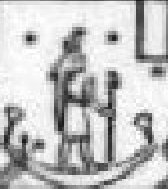
 Chemsou, Shesmu, or Seshmu, seen as Shesmu, Demon-God fo the Wine Press, Oils and Slaughterer of the Damned, can be seen in great detail on http://www.thekeep.org/~kunoichi/kunoichi/themestream/shesmu.html by Caroline Seawright, dated October 29, 2001. She claims that the Shesmu Decan or Grand Temple Decan 16 (Denderah Decan 5), which shows him as a full man, a lion-headed-man or as a hawk, seen on a boat with a uraeus on top of his head, between two stars. Chemsou, Shesmu, or Seshmu, seen as
 Our ou Hor (Heru or Ur).